


Shadow Fight 3 - RPG fighting
NEKKI
Shadow Fight 3 is the kind of mobile role-playing game I can recommend when you want a fighting experience with more structure than a quick arcade match. I found its appeal in the combination of dramatic one-on-one battles, character progression, equipment choices, and a story-driven sense of purpose. It is free to start, easy to pick up for a few minutes, and deep enough to keep me experimenting after the basic controls became familiar.
That said, I would not describe it as a perfect fit for every fighting-game fan. The progression can feel demanding, the free-to-play design requires patience, and the touch controls reward practice rather than button mashing. My overall view is positive: this is a polished mobile RPG fighter with a strong visual identity, but it works best for players who enjoy improving gradually and making decisions about how their fighter develops.
Why the combat feels more substantial than a typical mobile brawler
The first thing I noticed was that each fight asks for more attention than a simple tap-based brawler. Positioning, timing, distance, and the choice between attacking and defending all matter. A fast strike may interrupt an opponent, while a poorly timed move can leave me exposed. That gives even short encounters a satisfying rhythm, especially when I stop treating every opponent as something to rush through.
Related News
The combat is built around direct control rather than an automatic battle system. I move the fighter across the arena, use directional gestures to attack, and react to what is happening on screen. The controls are approachable, but they are not mindless. The difference between an ordinary victory and a clean win usually comes from recognizing an opening instead of throwing attacks continuously.
I particularly enjoy the way the game makes equipment and fighting style feel connected. Progression is not just about watching a number rise. The gear I use affects how I approach encounters, while different weapons encourage different spacing and timing. A weapon with a wider reach can make it easier to control distance, whereas a quicker option may suit a more aggressive player. This creates a useful trade-off: stronger equipment is not automatically the most comfortable equipment.
Related News

Why WhatsApp Messenger Still Makes Everyday Communication Feel Easy

Jurassic World: The Game Is the Better Dino Tycoon for Strategic Players

Threads in Real Life: Who Should Join, Lurk, or Leave

How SHEIN Turned Shopping Into an Endless Content Feed

How to Make Fortnite Feel Smarter on Mobile

Should You Switch to Microsoft Outlook on Mobile?
The best results come from matching your equipment to your habits, not simply choosing the item with the highest displayed value. That is one of the more important lessons I learned while playing. If I preferred careful counterattacks, a setup that supported reach and control felt better than one that encouraged constant close-range pressure. Players who take a moment to test a new weapon can often get more from it than players who immediately return to their previous favorite.
The role-playing structure gives the battles context. Instead of feeling like disconnected matches, fights fit into a broader journey, with rewards and progression encouraging me to continue. This helps the game stand apart from a straightforward fighting title that may offer excellent individual battles but little reason to care about the next one.
Learning the timing makes the game much more enjoyable
My early matches were less impressive than later ones because I initially relied too much on repeated attacks. That approach can work against weaker opponents, but it becomes unreliable once enemies punish predictable behavior. After I began watching their movement and waiting for a clear opening, the fights became more tactical and less frustrating.
Gallery
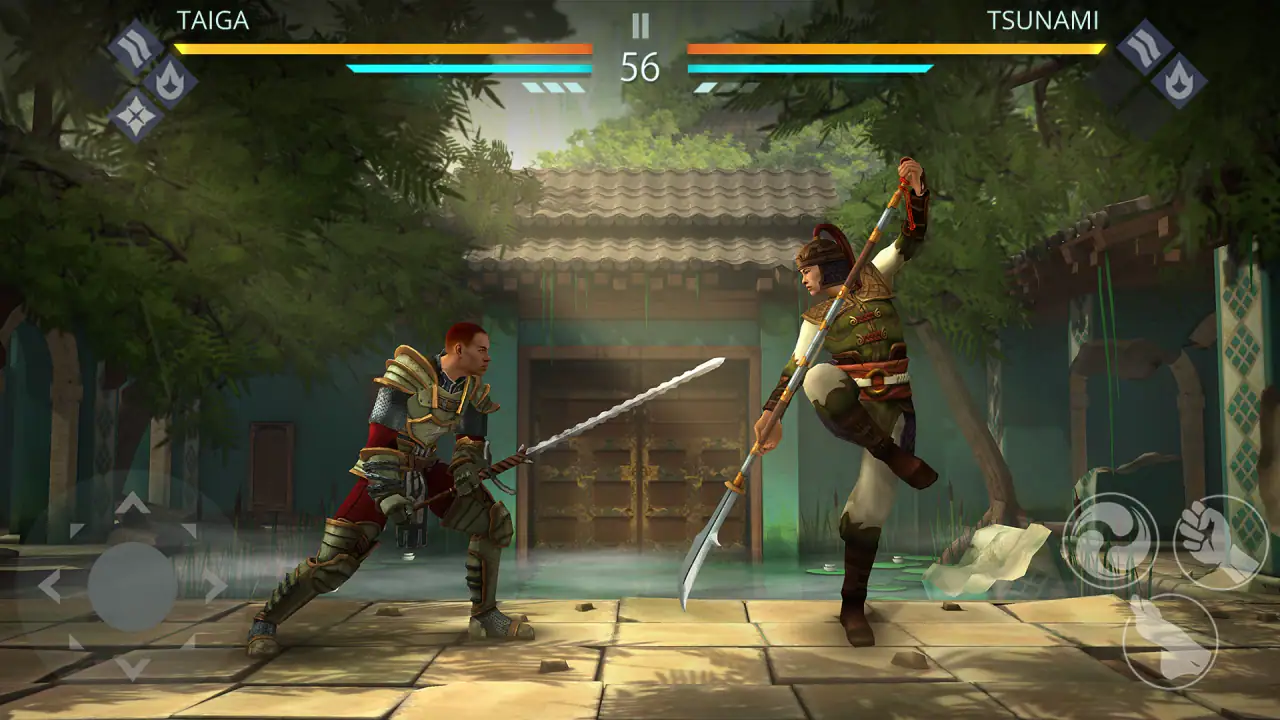
A useful everyday approach is to play a small number of battles during a break rather than beginning a long session with the expectation of clearing everything. One or two encounters are enough to practice a weapon, notice an enemy pattern, or decide whether a piece of equipment suits your style. This makes the game comfortable for short sessions, although the desire to improve can easily turn a quick break into a longer play period.
Another practical tip is to treat losses as information. When I lose because I attack from too far away, mistime a defensive move, or fail to respect an opponent’s range, repeating the same strategy rarely helps. Changing one habit at a time is more effective than changing the entire loadout after every defeat. That approach also makes progression feel less dependent on luck or spending.
A strong presentation supports the fighting
The visual style gives the game a more dramatic personality than many mobile RPGs. Fighters, weapons, and arenas are presented with a sense of scale, while the action remains readable enough for me to follow what is happening. The presentation does not replace good combat, but it makes the journey feel more memorable and gives equipment changes a visible sense of importance.
The atmosphere is also one reason I kept returning. The game aims for a cinematic martial-arts tone rather than a bright party-game mood. That makes it a better choice for someone who wants serious-looking battles and a fantasy adventure, but it may feel less appealing to players who prefer colorful comedy or purely competitive matchups.
NEKKI has positioned the game as a role-playing experience rather than only a fighting showcase, and that distinction matters. The story and progression systems provide motivation between battles, while the combat keeps the experience active. I would not install it solely for a narrative adventure, but the story gives the fighting a useful sense of direction.
Where the free-to-play structure creates friction
The biggest limitation is the progression model. The game is free, but that does not mean every part of the experience feels equally immediate. As the challenge rises, I sometimes felt pressure to improve my equipment before I could comfortably move forward. That can encourage patience, repeated play, or spending, depending on how quickly a player wants to progress.
In-app purchases range from $0.99 to $249.99 per item, so the potential spending range is wide. I recommend approaching the game with a clear personal limit before buying anything. The core experience can be started without payment, but players who dislike upgrade pressure or any possibility of expensive optional purchases may find the structure uncomfortable.
This is also why I would not present the game as an ideal choice for a young child. Its content rating is Teen, and the purchasing system makes parental awareness sensible. A teenager who understands the difference between optional progression and required spending may enjoy it, while a child who expects instant access to every upgrade could become frustrated.
The game can also feel repetitive if I focus only on collecting stronger gear. Battles remain the main activity, and although the equipment and opponents add variety, players looking for a large range of completely different modes may eventually want something else. For me, the repetition is acceptable because I enjoy refining technique, but it is a genuine weakness for anyone who needs constant novelty.
How it compares with other mobile fighting choices
Compared with a traditional arcade fighter, this game places more emphasis on progression and less on immediate competitive purity. A classic fighting game may be better if I want a roster-based match, local-style competition, or a system built around memorizing a large set of character moves. Shadow Fight 3 is more inviting when I want a personal fighter, a continuing journey, and equipment decisions between battles.
Compared with an action RPG, it offers more deliberate one-on-one combat and less emphasis on exploring a large open environment. That makes the experience focused. I do not spend much time wandering around looking for the next activity; I prepare, fight, earn progress, and decide how to continue. Players who enjoy compact encounters may appreciate that focus, while those seeking broad exploration may prefer a conventional RPG.
It also differs from casual tap brawlers because success depends more on timing and control. The learning curve is still manageable, but the game becomes more rewarding when I pay attention to reach, recovery, and defensive opportunities. If I only want a game that can be played with almost no concentration, this is not the best alternative.
Who should install it, and who should skip it
I think it is a strong fit for players who enjoy fantasy combat, gradual character improvement, and the satisfaction of learning an opponent’s behavior. It is especially suitable for someone who wants a mobile game that can fill a short session but still offer longer-term goals. The role-playing elements give the battles more meaning than isolated arcade rounds, while the direct controls keep me involved.
It is also a good match for players who like experimenting. Trying a different weapon, adjusting a fighting approach, and learning when to attack can make a noticeable difference. The game rewards curiosity more than a single fixed strategy, even though better equipment remains an important part of progression.
I would suggest skipping it if you want a completely even playing field from the first minute, dislike repeated battles, or become irritated by free-to-play progression. A player who mainly wants online competition without story and gear management may be happier with a dedicated versus fighter. Likewise, anyone searching for a relaxed idle RPG will find the manual combat too demanding.
Device compatibility is fairly accessible: the game requires Android 8.0 or later. The current version is 1.44.2, which is useful to check before installing, particularly if the phone is older. Since the battles depend on responsive input, I would also avoid judging the game after playing while distracted or on a device that struggles with touch accuracy. The controls are central to the experience, so responsiveness matters more here than it would in a mostly automated RPG.
What I would do before spending money
I would play long enough to identify which weapon style feels natural before considering any purchase. Spending early can be tempting when a difficult opponent blocks progress, but frustration is not always evidence that I need better gear. Sometimes the real problem is a predictable attack pattern or an unfamiliar range.
I would also keep the equipment system organized rather than treating every reward as an automatic upgrade. Comparing how an item changes my preferred approach is more useful than chasing a single large number. This is a small habit, but it reduces wasted effort and makes the role-playing side feel more deliberate.
For a normal weekday scenario, I can imagine playing during a commute break or after dinner, completing a few encounters, testing a new setup, and stopping before the progression starts to feel like a chore. That rhythm suits the game well. It is less comfortable when I try to force a marathon session, because repeated battles and upgrade decisions can make the free-to-play friction more noticeable.
My final recommendation
Shadow Fight 3 succeeds because it combines readable touch combat with enough role-playing structure to make each victory matter. I enjoyed it most when I treated fights as skill checks rather than obstacles to bulldoze with equipment. The visual presentation, weapon variety, and continuing journey give it a stronger identity than a disposable mobile brawler.
Its weaknesses are equally clear. Progress can slow, repeated encounters may test patience, and the broad in-app purchase range means players should manage expectations and spending carefully. The game is not the right choice for someone who wants instant, purely competitive matches or a completely pressure-free progression system.
Still, my recommendation is positive for the right audience. With an average rating of 4.6 from around 4.5 million ratings and more than 100 million installs, it has clearly reached a large mobile audience, and I can understand why. As a free role-playing fighting game from NEKKI, it offers enough depth to reward practice without demanding that I become a fighting-game expert immediately. I would recommend installing it if you enjoy stylish one-on-one battles and gradual improvement; I would simply begin with patience, learn the controls before chasing upgrades, and keep purchases firmly within a budget.
FAQs for Shadow Fight 3 - RPG fighting
What is Shadow Fight 3 and what makes it unique?
Shadow Fight 3 is an immersive RPG fighting game that blends dynamic martial arts combat with role-playing elements. Unlike its predecessors, it features 3D graphics and a vibrant color palette. Players can personalize their fighters with various weapons and armor, making each battle unique. The storyline is rich, offering a captivating narrative alongside intense duels.
Is Shadow Fight 3 free to play or does it require purchases?
Shadow Fight 3 is free to download and play, offering players a comprehensive experience without mandatory purchases. However, it includes in-app purchases for those who wish to enhance their gameplay with additional gear, boosts, or currency. These purchases can expedite progress but are not essential for enjoying the game.
What are the system requirements for playing Shadow Fight 3 on Android and iOS?
To play Shadow Fight 3 smoothly, Android devices should run on Android 4.4 or later. iOS users need iOS 9.0 or later. The game requires a stable internet connection for seamless updates and online battles. Adequate storage space is necessary to accommodate the game’s high-quality graphics and regular updates.
How does progression work in Shadow Fight 3?
Progression in Shadow Fight 3 involves completing missions, participating in duels, and engaging in storyline battles. Players earn rewards such as coins, equipment, and experience points. These rewards help upgrade skills and gear, which are essential for progressing through increasingly difficult levels and unlocking new abilities.
Can I play Shadow Fight 3 offline?
Shadow Fight 3 primarily requires an internet connection to access its full features, including story updates and player-versus-player battles. While some offline play might be possible, certain features and progression elements necessitate connectivity to ensure the latest content and seamless gameplay. It’s recommended to play online for the best experience.
Pros
- Stunning graphics enhance gameplay immersion.
- Smooth and responsive combat mechanics.
- Rich storyline with engaging character development.
- Diverse weapon and armor customization options.
- Regular updates with new content and features.
Cons
- Requires constant internet connection.
- Some in-app purchases offer competitive edge.
- Energy system limits continuous play.
- Occasional matchmaking imbalances.
- Can be resource-heavy on older devices.


